The Data Is Clear: Businesses Using Paid Media Grow 3x Faster
1. What Is Paid Media and Why It Matters
Paid media includes any marketing strategy where a business pays to promote its message. Common examples:
- Google Search Ads: Appear at the top of search results to capture high-intent traffic.
- Meta Ads (Facebook/Instagram): Build brand awareness and retarget interested audiences.
- LinkedIn Ads: Target decision-makers for B2B marketing.
- Programmatic Advertising: Automate ad placements across 95% of the internet, including display, video, and Connected TV.
- TikTok & YouTube Ads: Reach younger audiences with high-engagement video content.
Why it matters:
Paid media provides immediate visibility and scalable growth, while organic marketing alone often grows too slowly to keep pace with competitors.
2. Businesses That Don’t Use Paid Media
Companies that avoid paid advertising often rely on:
- SEO for long-term organic search visibility.
- Content marketing like blogs or videos.
- Word-of-mouth referrals or repeat customers.
- Social media posting without ad spend.
While these tactics can work, they come with limitations:
Challenges of Organic-Only Growth
- Slow to scale: SEO and content take months or years to build traction.
- Limited reach: Posts are shown only to existing followers or searchers.
- Unpredictable growth: Algorithm changes can tank visibility overnight.
- Missed opportunities: Competitors using paid ads dominate high-value keywords and placements.
Example:
A local HVAC company relies only on referrals and SEO. When a new competitor invests in Google Local Service Ads and Meta retargeting, the original business sees declining market share despite having loyal customers.
3. Businesses That Invest in Paid Media
Companies using paid media gain instant access to visibility and data, allowing them to grow faster.
Benefits of Paid Media
- Speed: Launch campaigns and see results within days.
- Precision targeting: Reach exact demographics, interests, and behaviors.
- Scalability: Increase budget to expand reach as revenue grows.
- Attribution tracking: See which ads drive leads and sales with measurable ROI.
- Complement to organic: Paid media fills gaps while SEO and content mature.
Example:
A B2B software company launches LinkedIn ABM ads targeting CFOs at specific companies. Within 30 days, they generate a pipeline of qualified leads — something that would take 6–12 months with SEO alone.
4. Year-by-Year Growth Comparison
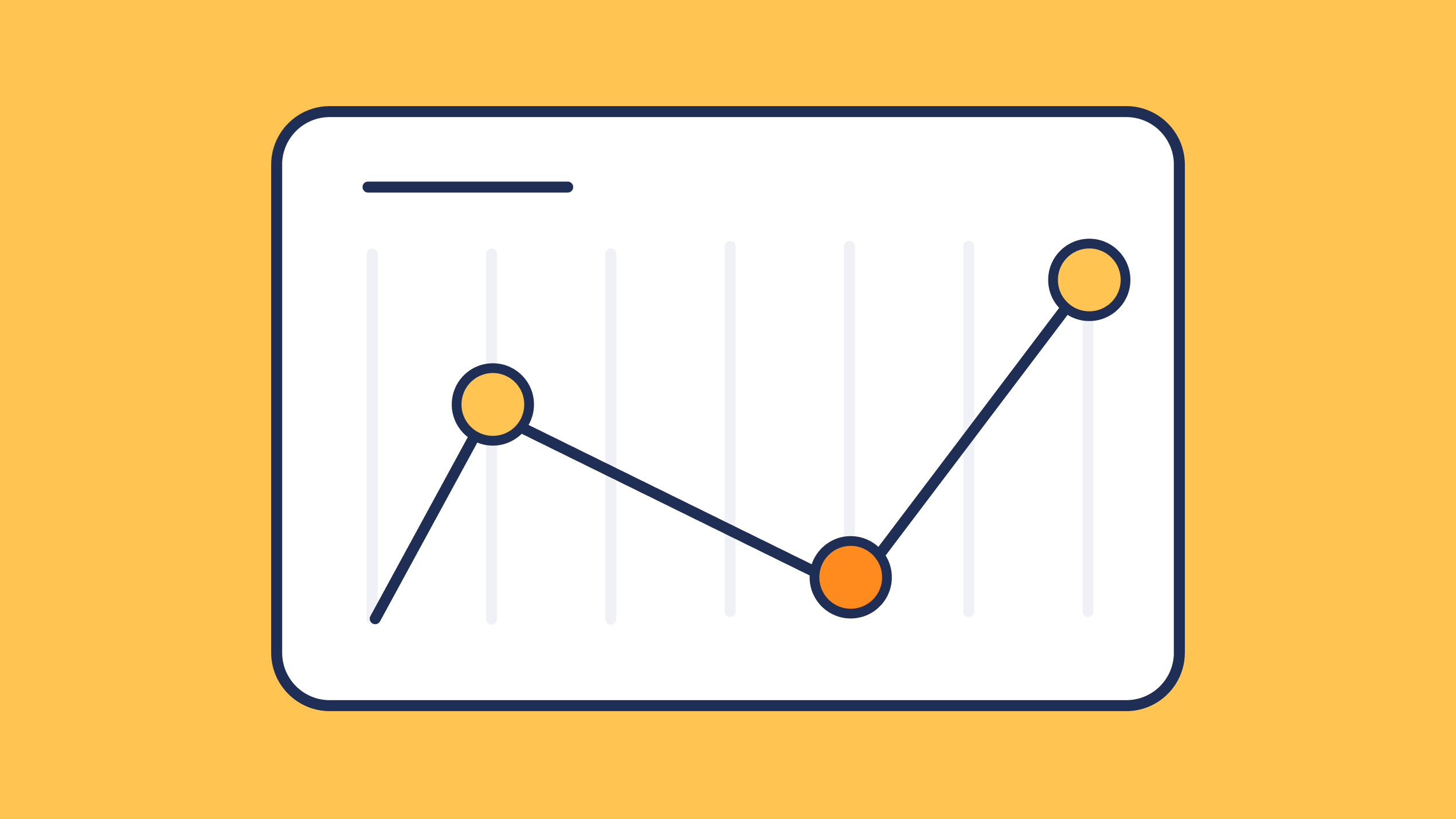
Below is a simplified five-year growth trajectory comparing businesses with paid media vs. without.
- Business A (No Paid Media): Relies solely on organic tactics.
- Business B (Paid Media + Organic): Uses paid ads strategically alongside SEO and content.
Takeaway:
Paid media acts as a growth accelerator, while organic-only strategies often stagnate after the first 2–3 years.
5. Why Paid Media Accelerates Market Share
Paid advertising creates a compounding effect over time:
- Immediate traffic → more conversions
- Conversions → reinvested revenue → larger budgets
- Larger budgets → broader reach and dominance
Meanwhile, businesses without paid media are limited to slow organic growth and risk being outspent and outperformed by competitors.
Industries That Benefit Most
- E-Commerce: Paid ads drive instant sales and retarget abandoned carts.
- B2B Services: LinkedIn and programmatic ABM campaigns reach niche decision-makers.
- Local Businesses: Google Local Service Ads and Meta Ads increase bookings.
- Healthcare: Programmatic geofencing targets patients in specific locations.
- Real Estate: Meta and Google Ads generate high-intent buyer leads.
- Travel & Hospitality: CTV and video ads inspire and capture trip planners.
6. Integrating Paid and Organic Strategies
The most successful businesses don’t choose between paid and organic — they combine both.
Why Integration Works
- Paid media fills the gap while SEO builds slowly.
- Retargeting ads reinforce organic content, improving conversion rates.
- Analytics from paid ads inform long-term content strategy.
- Organic channels reduce dependency on paid ads over time, lowering acquisition costs.
Example Workflow:
- Launch Google Search Ads to capture immediate leads.
- Use Meta retargeting to nurture prospects.
- Simultaneously publish SEO-optimized blogs to grow organic traffic.
- Over 12–18 months, gradually balance budgets as organic visibility grows.
7. Final Thoughts
Businesses that ignore paid media risk being left behind by competitors who are more visible, more aggressive, and more data-driven.
While organic marketing is essential for long-term growth, paid advertising provides the speed and scalability needed to dominate markets today.
Key takeaway:
- No Paid Media: Slow, unpredictable growth, vulnerable to competitive disruption.
- Paid + Organic: Fast, scalable, and measurable growth with sustainable long-term results.
At Refinex Media, we help businesses build integrated paid and organic strategies that generate measurable ROI and accelerate growth. Whether you’re just starting with ads or ready to scale, our team will guide you every step of the way.
1. What Is Paid Media and Why It Matters
Paid media includes any marketing strategy where a business pays to promote its message. Common examples:
- Google Search Ads: Appear at the top of search results to capture high-intent traffic.
- Meta Ads (Facebook/Instagram): Build brand awareness and retarget interested audiences.
- LinkedIn Ads: Target decision-makers for B2B marketing.
- Programmatic Advertising: Automate ad placements across 95% of the internet, including display, video, and Connected TV.
- TikTok & YouTube Ads: Reach younger audiences with high-engagement video content.
Why it matters:
Paid media provides immediate visibility and scalable growth, while organic marketing alone often grows too slowly to keep pace with competitors.
2. Businesses That Don’t Use Paid Media
Companies that avoid paid advertising often rely on:
- SEO for long-term organic search visibility.
- Content marketing like blogs or videos.
- Word-of-mouth referrals or repeat customers.
- Social media posting without ad spend.
While these tactics can work, they come with limitations:
Challenges of Organic-Only Growth
- Slow to scale: SEO and content take months or years to build traction.
- Limited reach: Posts are shown only to existing followers or searchers.
- Unpredictable growth: Algorithm changes can tank visibility overnight.
- Missed opportunities: Competitors using paid ads dominate high-value keywords and placements.
Example:
A local HVAC company relies only on referrals and SEO. When a new competitor invests in Google Local Service Ads and Meta retargeting, the original business sees declining market share despite having loyal customers.
3. Businesses That Invest in Paid Media
Companies using paid media gain instant access to visibility and data, allowing them to grow faster.
Benefits of Paid Media
- Speed: Launch campaigns and see results within days.
- Precision targeting: Reach exact demographics, interests, and behaviors.
- Scalability: Increase budget to expand reach as revenue grows.
- Attribution tracking: See which ads drive leads and sales with measurable ROI.
- Complement to organic: Paid media fills gaps while SEO and content mature.
Example:
A B2B software company launches LinkedIn ABM ads targeting CFOs at specific companies. Within 30 days, they generate a pipeline of qualified leads — something that would take 6–12 months with SEO alone.
4. Year-by-Year Growth Comparison
Below is a simplified five-year growth trajectory comparing businesses with paid media vs. without.
- Business A (No Paid Media): Relies solely on organic tactics.
- Business B (Paid Media + Organic): Uses paid ads strategically alongside SEO and content.
Takeaway:
Paid media acts as a growth accelerator, while organic-only strategies often stagnate after the first 2–3 years.
5. Why Paid Media Accelerates Market Share
Paid advertising creates a compounding effect over time:
- Immediate traffic → more conversions
- Conversions → reinvested revenue → larger budgets
- Larger budgets → broader reach and dominance
Meanwhile, businesses without paid media are limited to slow organic growth and risk being outspent and outperformed by competitors.
Industries That Benefit Most
- E-Commerce: Paid ads drive instant sales and retarget abandoned carts.
- B2B Services: LinkedIn and programmatic ABM campaigns reach niche decision-makers.
- Local Businesses: Google Local Service Ads and Meta Ads increase bookings.
- Healthcare: Programmatic geofencing targets patients in specific locations.
- Real Estate: Meta and Google Ads generate high-intent buyer leads.
- Travel & Hospitality: CTV and video ads inspire and capture trip planners.
6. Integrating Paid and Organic Strategies
The most successful businesses don’t choose between paid and organic — they combine both.
Why Integration Works
- Paid media fills the gap while SEO builds slowly.
- Retargeting ads reinforce organic content, improving conversion rates.
- Analytics from paid ads inform long-term content strategy.
- Organic channels reduce dependency on paid ads over time, lowering acquisition costs.
Example Workflow:
- Launch Google Search Ads to capture immediate leads.
- Use Meta retargeting to nurture prospects.
- Simultaneously publish SEO-optimized blogs to grow organic traffic.
- Over 12–18 months, gradually balance budgets as organic visibility grows.
7. Final Thoughts
Businesses that ignore paid media risk being left behind by competitors who are more visible, more aggressive, and more data-driven.
While organic marketing is essential for long-term growth, paid advertising provides the speed and scalability needed to dominate markets today.
Key takeaway:
- No Paid Media: Slow, unpredictable growth, vulnerable to competitive disruption.
- Paid + Organic: Fast, scalable, and measurable growth with sustainable long-term results.
At Refinex Media, we help businesses build integrated paid and organic strategies that generate measurable ROI and accelerate growth. Whether you’re just starting with ads or ready to scale, our team will guide you every step of the way.